Immobilier

Introduction
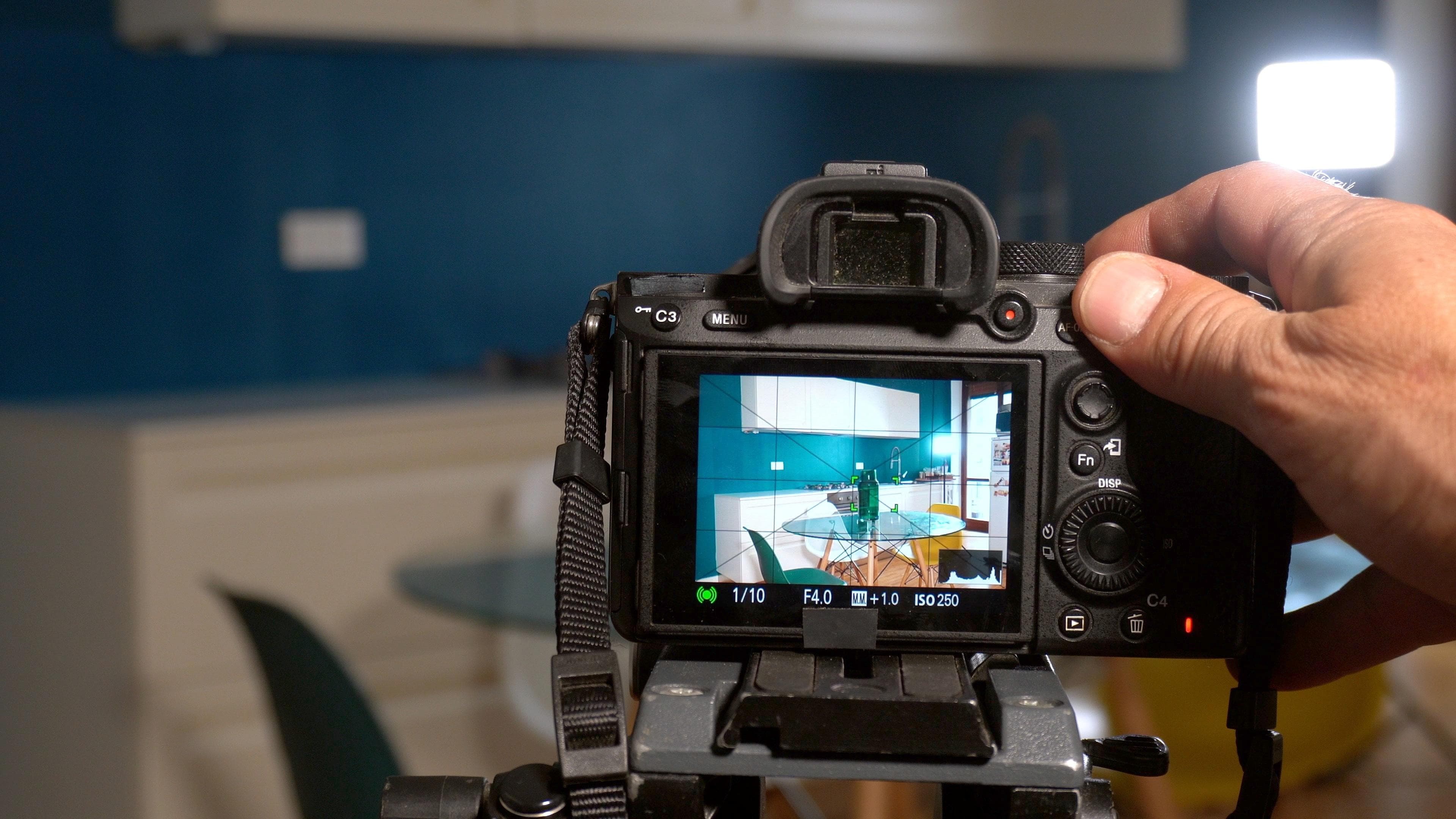
With how competitive the real estate market is, visuals do a lot of the heavy lifting. Before a buyer reads a single word, they’ve already judged the listing based on the photos. That’s where smart editing comes in.
With the right real estate photo editing tips, you can turn average shots into clean, inviting images that actually get clicks. It’s not about overdoing it; it’s about showing the property at its best, in a way that feels real and appealing.
Whether you’re a real estate agent, homeowner, or just getting started with property photography, a few simple editing tweaks can make a noticeable difference. Better photos lead to more views, and more views lead to stronger interest.
In this guide, we’ll walk you through practical, easy-to-apply techniques to help your listings stand out and perform better.
Why Real Estate Photo Editing Matters More Than Ever
Property search today is driven by speed. Buyers scroll through dozens of listings in seconds, making instant decisions based on visuals alone. If your photos don’t feel clear, bright, and easy to read at a glance, they get skipped without a second thought.
This is where editing becomes a performance driver, not just a cosmetic step. Well-edited images guide the viewer’s eye, highlight space and layout, and make the property feel more open and livable. That directly impacts click-through rates and how long users stay on your listing.
There’s also a trust layer that many agents underestimate. Buyers are more cautious in 2026, especially in high-value markets. When photos look clean, balanced, and realistic, they signal transparency. Poor lighting, color casts, or messy compositions do the opposite and create doubt, even if the property itself is solid.
At the end of the day, photo editing shapes both first impressions and perceived value. It influences whether someone clicks, how they judge the property, and whether they move forward.
What Makes a “Good” Property Photo Today?
A good property photo does one thing well: it helps buyers understand the space quickly and trust what they see. It’s not about making the property look “perfect.” It’s about making it feel clear, natural, and believable.
Here’s what defines that standard today:
Bright, natural lighting: The space should feel well-lit without blown-out windows or harsh shadows. The goal is balance, not brightness for the sake of it.
Straight lines and correct perspective: Walls, doors, and furniture should look true to form. Even slight distortion can make a space feel off or smaller than it is.
Accurate, true-to-life colors: Whites should look neutral, not yellow or blue. Good color correction keeps materials and finishes honest, which matters for buyer trust.
Clean, distraction-free composition: Small details like cables, stains, or clutter pull attention away from the property itself. Removing them helps buyers focus on the space, not the noise.
When these elements come together, the image feels effortless. And that’s exactly the point. Buyers can focus on the property, not the photo.
How to Edit Property Photos (Step-by-Step for Beginners)
Step 1: Fix Exposure to Brighten Dark Room Listing Photos
Start by adjusting brightness, shadows, and highlights to brighten dark interiors while preserving detail in bright windows. Exposure bracketing during capture and merging exposures in your HDR editing process can help balance light across the entire image.
Step 2: Apply Color Correction for Real Estate Photography
Use photo editing software like Adobe Lightroom or Adobe Photoshop to neutralize mixed lighting and remove unwanted color casts. Correct white balance carefully to maintain the true colors of walls, furniture, and key features, building trust with viewers.
Step 3: Straighten Lines and Correct Perspective
Use the Free Transform tool or Upright tools in Lightroom to fix vertical distortion and lens distortion, especially in interior and exterior photos. Perspective correction ensures that walls, doors, and windows appear straight and natural, enhancing the image quality and professionalism.
Step 4: Enhance Details Without Overediting
Now refine the image. Add a bit of sharpness and clarity to bring out textures like wood, stone, or fabric.
Keep it subtle. Over-sharpening, heavy contrast, or aggressive HDR effects can make the image look harsh and unrealistic. A good edit feels almost invisible but noticeably better.
Step 5: Remove Distractions
Use object removal tools like the Clone Stamp tool or content-aware fill to eliminate cables, stains, and unwanted objects. Decluttering images improves clarity and keeps the focus on the property’s best features, making a significant difference in visual appeal.
Common Real Estate Photo Editing Mistakes to Avoid
Even small editing mistakes can hurt how buyers perceive a property. Most of the time, it’s not obvious errors. It’s subtle choices that make the image feel “off” or untrustworthy.
Here are the ones to watch closely:
Over-saturation that distorts reality: Colors that are too rich or intense make materials look fake and can mislead buyers about finishes.
Unrealistic sky replacements: A dramatic sky might look eye-catching, but if it doesn’t match the lighting, it breaks credibility instantly.
Crooked lines and poor perspective correction: Slight tilts or warped walls make spaces feel unbalanced and less professional.
Over-sharpening and heavy processing: Pushing clarity too far introduces noise, halos, and a harsh look that distracts from the space.
Edits that misrepresent the property: Removing permanent features or altering key elements can lead to distrust and even legal issues.
Authenticity matters more than ever, especially in markets like Switzerland, where buyers expect accuracy and transparency. A clean, natural edit will always outperform something that feels overdone.
Real Estate Photo Standards in Switzerland
In Switzerland, real estate photos follow a clear principle: what you show must match what the buyer will see. Clean visuals matter, but accuracy matters more.
Here’s how that translates in practice:
Natural, daylight-balanced lighting: Interiors are expected to feel bright and realistic, not artificially enhanced. Window light should look natural, with minimal color shift between indoor and outdoor areas.
Neutral and consistent color tones: Whites stay neutral, wood tones stay true, and materials look as they are. Strong filters or stylized edits are avoided because they distort perception.
Minimal, distraction-free composition: Spaces are presented clean and uncluttered, but not over-staged. The goal is to show layout and livability clearly, not to “decorate” the image.
Precise perspective and structure: Straight lines and accurate proportions are non-negotiable. Any distortion can signal poor quality or misrepresentation.
Strict alignment with reality: Removing temporary clutter is fine. Altering permanent features or heavily enhancing views is not. Buyers expect full transparency, and anything misleading can damage trust quickly.
The takeaway is simple: in Switzerland, editing should refine the image, not reinterpret it. The more natural and reliable your photos feel, the stronger your listing performs with serious buyers.
Best Tools to Edit Real Estate Photos in 2026
The right tool depends on how fast you need to work and how much control you want. In 2026, the shift is clear: speed and consistency matter just as much as quality.
All-in-One Fast Editing Platforms (e.g., Casapic)
Built for agents and property owners, these tools handle exposure, color, and basic corrections in one streamlined flow. Batch editing and ready-to-publish outputs help you process multiple listings quickly without compromising consistency.
Adobe Lightroom
Lightroom is ideal for editing full property sets. You can apply presets, sync adjustments across images, and fine-tune lighting and colors at scale, making it a strong choice for maintaining a consistent look across listings.
Adobe Photoshop
Photoshop is best for detailed edits such as object removal, perspective correction, and precise adjustments. Tools like Clone Stamp and Transform offer full control, but require more time and experience.
AI-Powered Editing Tools
AI tools are now handling tasks like exposure balancing, sky enhancement, and color correction with increasing accuracy. They significantly reduce manual work and help deliver clean, consistent results faster.
In practice, many professionals combine these tools: using faster platforms for efficiency and advanced software for final refinements when needed.
FAQ
Start with well-composed shots using a tripod and exposure bracketing. Then, apply balanced exposure adjustments, color correction, perspective correction, and remove distractions during post-processing using professional photo editing software.
Conclusion
Real estate photo editing is no longer optional—it's essential for creating visually appealing images that attract potential buyers and generate leads. By following these real estate photo editing tips, you can make small improvements that have a big impact on your listings' success. Embrace professional editing techniques and tools to showcase properties in their best light and stand out in a crowded market.
Start applying these tips today and watch your real estate marketing results improve dramatically!

Casapic Team
24 March 2026
Immobilier
How to Write a Property Listing Description That Actually Sells (2026)
Craft compelling property listings that engage buyers. Learn essential tips to showcase your property effectively. Read the article for practical advice!Casapic Team
Apr 8, 2026
Immobilier
How to Stage a Home for Sale Photos? 2026 Guide to Better Listings
Learn effective strategies for staging your home to capture stunning sale photos. Transform your space and attract buyers—read the essential guide now!Casapic Team
Apr 1, 2026
Immobilier
Does Switzerland Have Property Taxes? A Clear Overview for Homeowners
Discover the essentials of property taxes in Switzerland. Understand what homeowners need to know and how it impacts your real estate decisions. Read more!Casapic Team
Mar 18, 2026