Immobilier


Introduction
Most property listings don’t fail because of price but because of poor descriptions. In competitive markets like Zurich, Geneva, and other Swiss cities, crafting a compelling property listing description is essential to attract quality tenants or buyers and stand out among numerous listings.
A strong property listing description does more than describe the space. It helps your property stand out in search results, highlights the right features, and attracts serious inquiries from the right audience. When done well, it can directly impact how fast your property sells or gets rented.
This guide will teach you how to write effective property listing descriptions that improve search visibility, engage potential buyers, and ultimately sell or rent your property faster. Plus, we’ll share tips tailored for the Swiss market and how platforms like Casapic can boost your listing’s performance.
What Is a Property Listing Description and Why Does It Matter?
A property listing description is the written component of your listing that highlights what makes the property worth viewing. To write listing descriptions that are effective and engaging, focus on crafting compelling and well-structured content that captures attention and encourages potential buyers to learn more. It showcases key features, location advantages, and overall value to attract qualified buyers or tenants, so learning to write descriptions that stand out is essential.
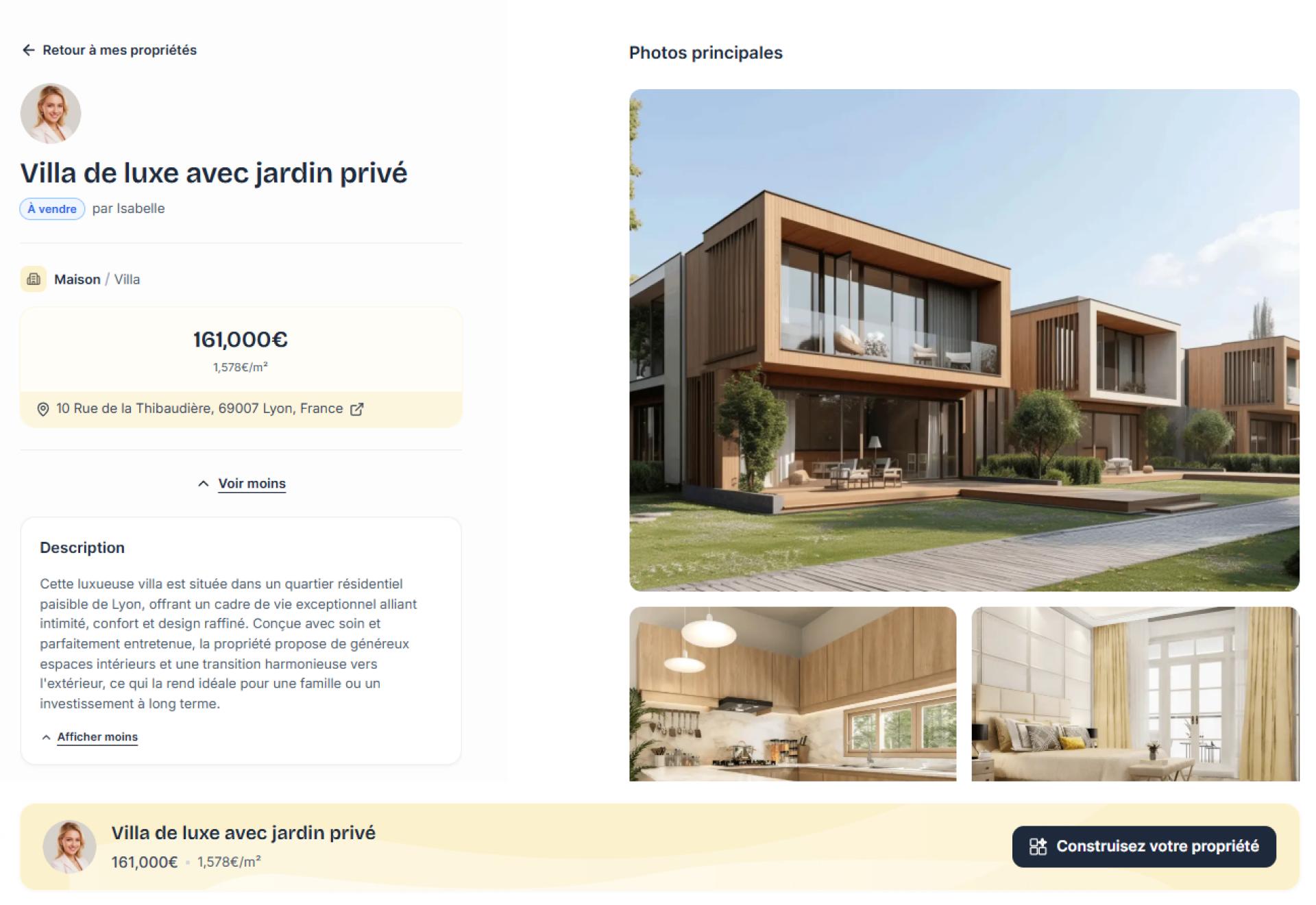
Property listing description on Casapic
Examples of Good vs Bad Property Listing Descriptions
A weak description like “Nice house with big rooms. Close to shops. Must see!” is vague and unengaging. It lacks detail and fails to attract serious buyers. Vague descriptions with overused phrases like 'must see' or 'motivated seller' can make the listing sound generic and fail to attract buyers.
A strong description highlights key features and location: “Newly renovated 4-bedroom home with hardwood floors, modern kitchen, and private backyard. Just a 7-minute walk from the train station and top schools. Energy-efficient solar panels help reduce costs. Schedule your private tour today!”
This clear, detailed approach draws interest and prompts action. Detailed descriptions and choosing the right description length—whether a full-length narrative, summary, or bullet points—help provide all the information buyers need to make informed decisions.
Why Property Listing Description Matters
A strong description does more than describe. It directly influences your listing’s success in two critical areas:
SEO Visibility: Well-crafted property descriptions that incorporate relevant keywords enhance your chances of appearing in search results on Google and property platforms. Descriptions that sell use the right words to attract buyers, and using these keywords in your home description can mean more money in your pocket. This is vital since today’s buyers predominantly begin their search online. According to recent real estate marketing statistics from the National Association of Realtors, 97% of home buyers start their search online, making search visibility essential for your listing to be seen.
Buyer Decision-Making: Effective descriptions help potential buyers visualize living in the space. Using clear, benefit-oriented language enables them to connect emotionally with the property and take action. Given that modern buyers often browse multiple listings rapidly—especially on mobile devices—your description must communicate value clearly and succinctly.
From a performance perspective, engagement metrics like click-through rate (CTR) are key. CTR measures how well your listing title and description convert views into clicks, making your property description not just content, but a driver of clicks, engagement, and serious inquiries.
What to Include in a Property Listing Description (Checklist)
A strong property listing description covers the right details in a clear and structured way. It should answer key questions buyers already have while highlighting the property's selling points, standout features, and unique attributes that set it apart from others. Including popular features and home features—such as high-end appliances, smart technology, or architectural details—can help your listing appeal to a wider audience. Lead with the biggest selling point immediately to capture buyer’s interest.
1. Essential Property Details Buyers Expect
Start with the basics. Include the property type, such as apartment, house, or rental property, along with the size in square meters, number of rooms, and price. Location is just as important. Mention both the city or district and the specific neighborhood to help buyers quickly understand where the property sits.
For rental properties, clearly outline the lease terms, including rental conditions, duration, and any other contractual details. Always state the property's condition, noting any recent repairs, renovations, or structural issues to set accurate expectations and highlight potential for value addition.
Additionally, mention key upgrades and brand names (such as kitchen appliances or flooring) to further enhance the listing's appeal.
2. Key Features That Help Your Listing Stand Out
Focus on features that make the property more attractive and easier to compare. This can include a balcony, parking space, renovated kitchen, or energy-efficient upgrades. Instead of listing features only, describe them in a way that adds value. For example, natural light, open living space, or a quiet private garden can make a stronger impact than generic terms.
For high-end properties, it’s especially important to emphasize premium features, exclusivity, and use aspirational storytelling to appeal to affluent buyers.
Highlighting unique features like a recently renovated kitchen or energy-efficient upgrades can significantly increase click-through rates for property listings.
3. Local Context That Adds Real Value
Buyers are not just choosing a property. They are choosing a lifestyle. Include nearby essentials such as schools, public transport, shops, and green spaces. In Switzerland, proximity to train stations is a major advantage. Access to lakes, mountains, or ski areas can also significantly increase interest, especially for lifestyle-driven buyers.
Be sure to highlight location benefits by emphasizing how the property's setting offers advantages like easy access to amenities, public transport, and recreational areas. Including specific distance information to key amenities, such as "200 meters to the nearest supermarket" or "5-minute walk to the train station," helps buyers assess the convenience of the location, which is particularly important for families and commuters.
For insights on current market trends and costs across cantons, see Swiss property prices in 2026: trends and cost breakdown by canton.
4. Legal and Practical Information to Build Trust
Clear details build confidence and reduce back-and-forth questions. Mention ownership type, whether freehold or leasehold, along with any additional costs such as condo fees. If relevant, include parking rules and energy certifications like Minergie or EPC ratings. Always strictly follow Fair Housing laws by describing property features rather than the target demographic—never mention national origin or any demographic information, as this is illegal and can lead to discrimination. These details help buyers make informed decisions and position your listing as transparent and reliable.
For a clear understanding of property-related obligations, check out Does Switzerland have property taxes? A clear overview for homeowners.
How to Write a Property Listing Description Step by Step
Writing a property listing description is not about sounding impressive. It is about helping the right buyer quickly understand the value of your property and feel motivated to take the next step. When done well, your description guides the reader from first glance to genuine interest. For a comprehensive understanding, consider providing further insights about the property's condition, surroundings, and amenities to help buyers make informed decisions.
Step 1: Start with a Strong Headline Using Real Estate Keywords
Your headline is what decides whether someone clicks or keeps scrolling. It needs to be clear, specific, and aligned with how buyers search.
A simple formula works best: property type, key feature, and location. For example, “Renovated 3-bedroom apartment with lake views in Geneva.”
This mirrors real search behavior and improves visibility without forcing keywords. Keep it natural. One strong phrase will always outperform a crowded headline.
Step 2: Open with the Property’s Strongest Selling Point
Once someone clicks, the first two lines need to hold their attention. This is where you craft a compelling opening statement that immediately highlights the property's biggest selling point. The opening statement should quickly answer 'what am I looking at?' and showcase unique features that set the property apart.
Focus on the most attractive element, whether it is space, light, location, or recent upgrades. For example, “This bright and spacious family home offers a private garden in one of Zurich’s most sought-after neighborhoods.”
Avoid generic openings. Get straight to what matters.
Step 3: Guide the Reader Through the Property
After the opening, your role is to help the reader picture the home. Using detailed descriptions of each room and feature helps buyers visualize the property and understand its unique benefits. The easiest way to do this is to follow a natural flow, almost like a walkthrough.
Start with the main living areas, then move into the kitchen, bedrooms, and bathrooms. Finish with outdoor spaces and additional features like parking or storage.
This structure keeps the description easy to follow and prevents it from feeling scattered. Additionally, consider using storytelling techniques to create an emotional connection with buyers, helping them imagine themselves living in the space.
Step 4: Turn Features into Benefits
At this point, many listings lose impact by simply listing features. What makes a difference is explaining why those features matter. Focus on the property's unique attributes and selling points—highlight what sets it apart and why those features are valuable to potential buyers.
Instead of “large windows,” say “large windows that fill the space with natural light throughout the day.” Instead of “near public transport,” say “just a short walk to the train station for an easy daily commute.”
These small shifts make your description more persuasive while still feeling natural.
Step 5: Add Location Value with Specific Details
Location often plays a major role in the final decision. Go beyond naming the area and show what daily life looks like.
Mention transport access, nearby schools, shops, and lifestyle benefits. When possible, be specific. For example, “5-minute walk to the train station” or “close to international schools and lakeside paths.”
Clear details build trust and help buyers quickly assess whether the property fits their needs.
Step 6: Keep the Description Easy to Read
Most buyers are scanning, often on their phone. If your text feels dense or repetitive, they will move on.
Use short paragraphs and simple language. Focus on clarity over complexity. A clean structure makes your listing more inviting and easier to absorb.
Step 7: End with a Clear Next Step
Once you have captured interest, guide the reader on what to do next.
A simple call to action, such as “Schedule a viewing today” or “Contact us for more details,” is enough. It removes friction and turns interest into action.
Finally, you'll have a full property listing description like this:
Step | Example from the Listing |
|---|---|
| Step 1: Strong Headline | Renovated 3-bedroom apartment with lake views in Geneva |
| Step 2: Open with Key Selling Point | This renovated 3-bedroom apartment offers beautiful lake views in a quiet and well-connected area of Geneva, making it a strong choice for both families and professionals. |
| Step 3: Logical Property Flow | The living area is bright and open, with large windows that bring in natural light throughout the day and create a comfortable space to relax or entertain. The layout flows into a private balcony overlooking the lake, giving you a peaceful outdoor spot right at home. |
| Step 4: Turn Features into Benefits | The kitchen has been fully upgraded with modern appliances and smart storage, making daily cooking simple and efficient. All three bedrooms are well-proportioned, offering flexibility for family living, guest space, or a home office. The apartment also includes two modern bathrooms designed for everyday comfort. |
| Step 5: Add Location Value | Located just a 5-minute walk from the nearest train station, the property offers quick access to the Geneva city center. Shops, restaurants, and international schools are all nearby, making daily life more convenient. The surrounding area also provides easy access to lakeside paths and outdoor activities. |
| Step 6: Keep It Easy to Read | Additional features include a private parking space, secure storage, and energy-efficient upgrades that help reduce heating costs and improve comfort throughout the year. |
| Step 7: Clear Call to Action | Contact us today to schedule a private viewing and see how this apartment fits your lifestyle. |
Step 1: Strong Headline
Example from the ListingRenovated 3-bedroom apartment with lake views in Geneva
Step 2: Open with Key Selling Point
Example from the ListingThis renovated 3-bedroom apartment offers beautiful lake views in a quiet and well-connected area of Geneva, making it a strong choice for both families and professionals.
Step 3: Logical Property Flow
Example from the ListingThe living area is bright and open, with large windows that bring in natural light throughout the day and create a comfortable space to relax or entertain. The layout flows into a private balcony overlooking the lake, giving you a peaceful outdoor spot right at home.
Step 4: Turn Features into Benefits
Example from the ListingThe kitchen has been fully upgraded with modern appliances and smart storage, making daily cooking simple and efficient. All three bedrooms are well-proportioned, offering flexibility for family living, guest space, or a home office. The apartment also includes two modern bathrooms designed for everyday comfort.
Step 5: Add Location Value
Example from the ListingLocated just a 5-minute walk from the nearest train station, the property offers quick access to the Geneva city center. Shops, restaurants, and international schools are all nearby, making daily life more convenient. The surrounding area also provides easy access to lakeside paths and outdoor activities.
Step 6: Keep It Easy to Read
Example from the ListingAdditional features include a private parking space, secure storage, and energy-efficient upgrades that help reduce heating costs and improve comfort throughout the year.
Step 7: Clear Call to Action
Example from the ListingContact us today to schedule a private viewing and see how this apartment fits your lifestyle.
Property Listing Copywriting Tips That Increase Clicks and Inquiries
A good property listing description is not just about what you say. It is about how easy it is to read and how clearly it communicates value. Small improvements in writing can make a real difference in how many people click and reach out.
Write for Skimming: Use short paragraphs and bullet points to make your description easy to scan.
Use Numbers and Specifics: Mention exact square footage, number of bedrooms, or distance to amenities.
Avoid Overused Phrases: Replace clichés like “charming” or “must-see” with unique, descriptive language.
Stay Honest: Build trust by accurately representing the property’s condition and features.
Optimize for Mobile Readers: Keep sentences concise and formatting clean for easy reading on phones.
Pairing your compelling listing description with professional staging tips and real estate photo editing techniques can significantly boost your listing’s appeal and attract more inquiries.
Real Estate Listing Keywords You Should Use (Without Overstuffing)
Using the right keywords helps your property listing appear in search results, but the key is to keep it natural. Focus on phrases that match how buyers actually search, and place them where they have the most impact, such as in the headline, opening lines, and key feature sections.
Location-Based Keywords
These are the foundations of real estate SEO, as most searches include a location. Adding a city, district, or nearby landmark helps your listing appear in relevant local searches.
modern apartment in Zurich
lake view property in Geneva
apartments for sale in Lausanne
house for rent in Bern city center
property near Lake Zurich
Property Type and Audience Keywords
These keywords reflect what the buyer is specifically looking for and who the property is suited for. They help attract more qualified traffic with clearer intent.
family home near schools
studio apartment for young professionals
3-bedroom apartment for sale
rental apartment for students
luxury villa for families
Feature-Based Keywords
Feature keywords highlight what makes the property stand out. These align closely with filters buyers use when browsing listings.
apartment with balcony
property with parking space
home with energy-efficient design
apartment with modern kitchen
house with private garden
Lifestyle and Premium Keywords
These keywords appeal to emotional and lifestyle-driven decisions. They are especially effective for higher-end or location-driven properties.
luxury apartment with lake view
home near ski resorts
property in quiet residential area
waterfront property in Switzerland
home near parks and outdoor activities
To get the best results, use a mix of these keyword types naturally throughout your description. Avoid repeating the same phrase too often. Clear, relevant wording will always outperform forced optimization.
You can also strengthen your SEO by linking to relevant pages, such as location-based property listings or search results. This improves site structure and keeps users engaged longer.
Writing Property Listings for Switzerland: What Makes It Different?
Writing a property listing description in Switzerland requires more precision and awareness than in many other markets. Buyers are well-informed, expectations are high, and small details often influence decisions.
Multilingual audience requires clarity: Switzerland has a mix of English, French, and German speakers, so your description needs to be simple, neutral, and easy to translate. Avoid complex phrasing or culturally specific expressions. Write in clear, concise English first, then localize key parts like the headline or location details. Keep sentences short and structured so they translate cleanly without losing meaning.
Buyers expect accuracy, not sales language: Swiss buyers value factual, transparent information. Overly promotional or vague wording can quickly reduce trust. Replace generic phrases with specifics. Instead of “spacious apartment,” use “85 m² apartment with 3 rooms.” Focus on measurable details, verified features, and avoid exaggeration.
Public transport proximity is a major factor: Access to reliable public transport is often a deciding factor, especially for commuters. Always include walking distance to the nearest station and key connections. For example, “5-minute walk to the train station with direct access to Zurich HB in 20 minutes.”
Energy efficiency carries real weight: Certifications like Minergie or EPC ratings directly impact buyer interest and perceived value. Highlight certifications early and translate them into benefits, such as lower utility costs, better insulation, or long-term sustainability.
Neighborhood quality matters as much as the property: Buyers pay close attention to safety, schools, amenities, and overall lifestyle in the area. Go beyond naming the location—add 1–2 concrete, relevant highlights like “near international schools,” “quiet residential street,” or “walking distance to the lake.”
Tone should feel neutral and premium: The Swiss market responds better to a calm, confident tone rather than emotional or exaggerated language. Keep your wording professional and understated. Focus on clarity and value, and let well-presented details do the selling instead of hype.
How to Write a Good Property Listing Description Using AI
Artificial intelligence can be a powerful tool to help you craft effective, engaging property listing descriptions quickly and efficiently. Many AI tools allow you to customize the description length—whether you need a full-length description, a concise summary, or feature bullet points—so you can tailor your listing to fit different needs. By inputting key data points about your property, such as location, size, unique features, and recent renovations, AI tools can generate polished drafts that you can customize to fit your style and target audience.
Here’s a sample prompt to help you generate a great property listing description using AI tools, including everything we’ve covered in this guide:
"Write a high-converting property listing description based on the following details:"
Property Details:
Property type: [e.g., apartment, house, villa]
Size: [e.g., 85 m²]
Layout: [e.g., 3 rooms, 2 bedrooms, 1 bathroom]
Location: [city + neighborhood]
Key features: [e.g., balcony, lake view, renovated kitchen]
Additional features: [e.g., parking, storage, elevator]
Condition: [e.g., newly renovated, well-maintained]
Energy efficiency: [e.g., Minergie certified, EPC rating]
Nearby amenities: [e.g., schools, supermarkets, parks]
Transport: [e.g., 5-minute walk to train station]
Instructions:
Start with a strong headline including property type, key feature, and location.
Open with the most attractive selling point.
Describe the property using clear, simple, and professional language.
Turn features into benefits (explain how each feature improves daily living).
Include location advantages with specific details (distance, walk time, connectivity).
Naturally incorporate these keywords: [insert 2–3 keywords].
Keep the tone neutral, premium, and informative (avoid exaggeration).
Optimize for readability (short paragraphs, easy to scan).
End with a clear call to action (e.g., book a viewing, contact us).
Output: Provide 2 variations:
Lifestyle-focused version (comfort, design, experience)
Practical version (facts, efficiency, investment value)

FAQ
Aim for 150–300 words. This keeps your listing detailed enough to inform while staying concise and easy to scan, especially on mobile.
Conclusion
Key takeaways: To write an effective property listing description, focus on clarity, strategic keyword use, and understanding buyer psychology.
Writing an effective property listing description requires a mix of clarity, strategic keyword use, and understanding buyer psychology. Knowing how to write a property listing description that is clear, benefit-focused, and well-structured will help you create compelling listings that attract more clicks and serious inquiries.
Better descriptions lead to more engagement, attract the right buyers or potential tenants, and ultimately help you sell or rent your property faster. Use this guide to craft compelling property listing descriptions that make your listings stand out in Switzerland’s competitive real estate market.

Casapic Team
8 April 2026
Immobilier
How to Stage a Home for Sale Photos? 2026 Guide to Better Listings
Learn effective strategies for staging your home to capture stunning sale photos. Transform your space and attract buyers—read the essential guide now!Casapic Team
Apr 1, 2026
Immobilier
Real Estate Photo Editing Tips: How to Make Listings Stand Out (2026)
Enhance your real estate listings with essential photo editing tips. Make your images pop and attract more buyers. Read the article for practical advice!Casapic Team
Mar 24, 2026
Immobilier
Does Switzerland Have Property Taxes? A Clear Overview for Homeowners
Discover the essentials of property taxes in Switzerland. Understand what homeowners need to know and how it impacts your real estate decisions. Read more!Casapic Team
Mar 18, 2026